
February 5, 2026
Over the past decade, the art print market has transformed from a secondary category into a global engine of growth for collectors. This data-led Maddox report distils 10 years of auction data, online sales trends and pricing shifts to chart how art print sales have matured and the drivers behind market performance as the next market cycle begins.
The Decade that Changed the Art Print Market
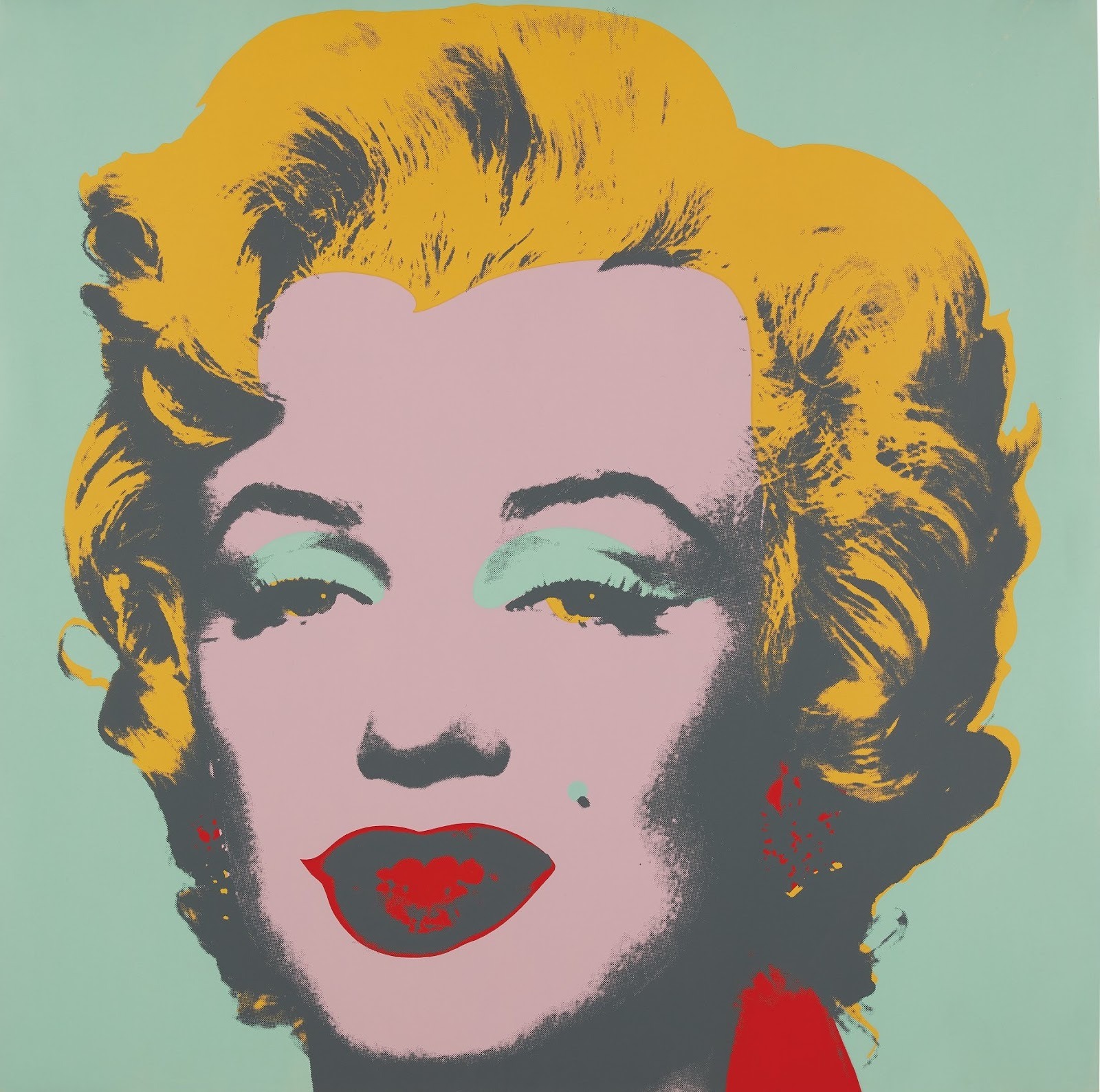
Andy Warhol, Marilyn (F. & S. II.23) (1967), Screenprint in Colours
The art print market underwent a decisive shift between 2015 and 2025, with what was once considered a secondary art investment category moving firmly into the centre of the international art trade. Rather than a fleeting spike in interest, the decade marked a fundamental change in how prints are created, valued and traded within the global print market, drawing in a broader base of print collectors across private and public channels.
Few have had a clearer vantage point on this transformation than Maddox Gallery. Operating at the intersection of primary transactions, secondary market activity and online sales, Maddox has experienced this decade of art print sales from the front row. Drawing on sustained transactional volume and proprietary data compiled for the recently published Maddox Print Report Vol. 03, our analysts have examined how the art print market has developed over the period covered by the report. What follows is a snapshot of key findings.
From Traditional to Data-Driven: The New Economics of the Art Print Market
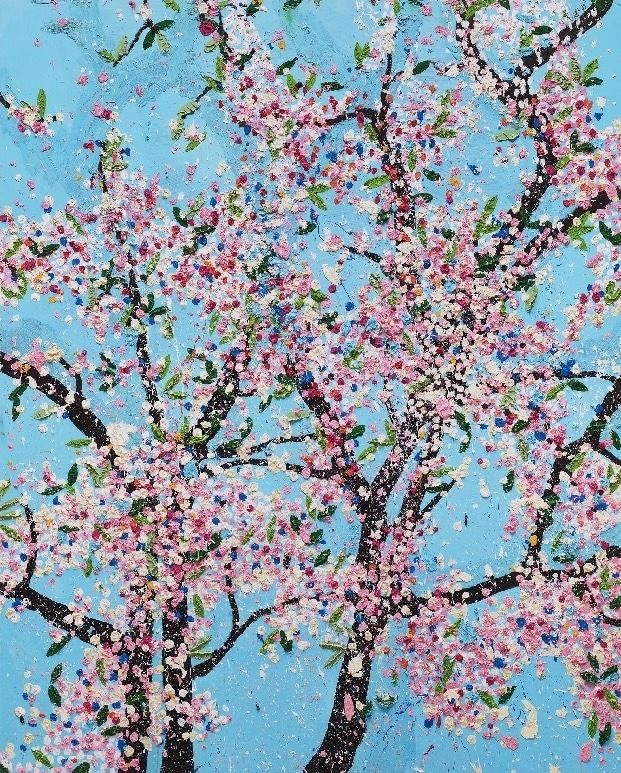
Damien Hirst, Politeness (H9-4) (2021),Laminated Giclée Print on Aluminium Composite Panel
One of the clearest shifts of the past decade has been the art print market’s rapid move online. What began as a supplementary sales channel has become integral to how collectors discover and acquire works. Online print sales no longer sit apart from traditional gallery and auction activity, fuelling demand, pricing expectations and liquidity across the wider print sector.
Production methods have also evolved over this period. Giclée printing, hybrid printmaking and digitally assisted workflows have gained legitimacy as artists and studios push technical boundaries. When handled with rigour, these processes are evaluated in the same way as conventional printmaking, with intent, execution and scarcity taking precedence.
Perhaps most telling, however, was the signal sent by auction houses. Over this period, print sales began to breach price points once reserved for unique works. Six-figure results were no longer anomalies, with rising David Hockney and Andy Warhol print prices pushing high-profile editions into territory that left little doubt about their standing in the market.
|
Art Market Insight: Why Prints Became a Core Asset Class In just 10 years, prints have moved into the mainstream as liquidity, access and institutional support increased.
|
The Auction Signal: What Print Auctions Really Tell Us
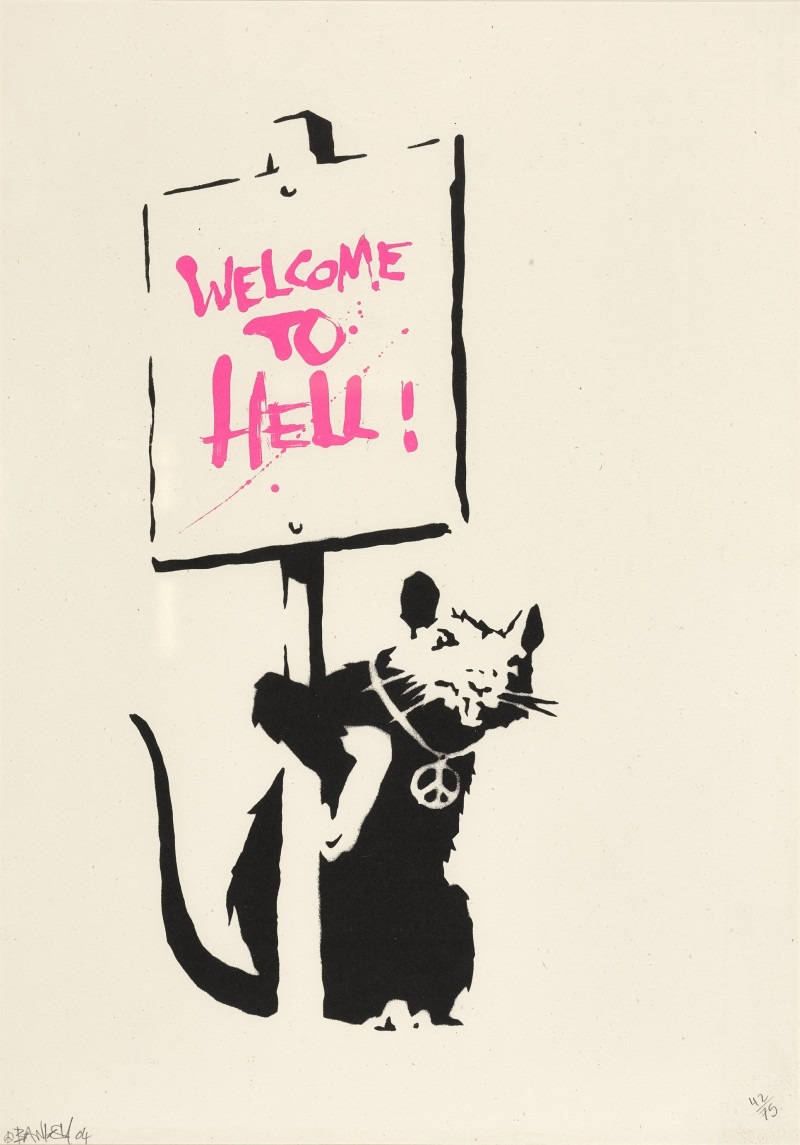
Banksy, Welcome to Hell (Pink) (Signed) (2004), Screenprint in Colours on Wove Paper
Auction results have become one of the clearest indicators of how the global print market has matured. In the past decade, print auctions have experienced rising sell-through rates. Prints have shifted from being incidental lots to works consigned and priced with far greater precision, reflecting a level of confidence that was far less established 10 years ago.
At the same time, value has become more concentrated. Blue-chip artists account for a growing share of turnover, with print collectors gravitating towards artists whose output offers longevity and liquidity. This concentration is evident in headline pricing, with online print prices and live auction results increasingly aligned, particularly for established editions with strong secondary-market histories.
The volatility that followed the post-pandemic boom has also settled. The print sector has undergone a correction, with fewer spikes, tighter estimates and more measured bidding. In this environment, pricing signals have become clearer, especially for artists with sustained demand. Recent movements in Banksy print prices, for example, reveal a segment that has stabilised following a recalibration.
A full breakdown of auction performance, pricing benchmarks and comparative analysis can be found inside Maddox’s latest Print Report, which offers an in-depth view of what the numbers are signalling.
|
Art Market Insight: The Global Print Market at a Glance (2015-2025) Data from Maddox Print Report Vol. 03 shows how the global print market has shifted from a peripheral category to a structurally significant part of the art trade.
|
Maddox and the New Art Print Market Economics
Throughout the past decade, Maddox Gallery has been active at the centre of the print market’s growth. With over £200 million in art print sales, Maddox is among the most active participants in the contemporary print sector.
Maddox offers a wide spectrum of print formats, including uniques, multiples, signed limited edition prints and artist proof prints. This breadth allows the gallery to adjust as conditions change without relying on a single category. When parts of the landscape cooled after the post-pandemic surge, others continued to trade steadily – a pattern familiar to established print collectors and underscoring Maddox’s print market expertise.
Why 2026 Signals a Healthier Global Print Market
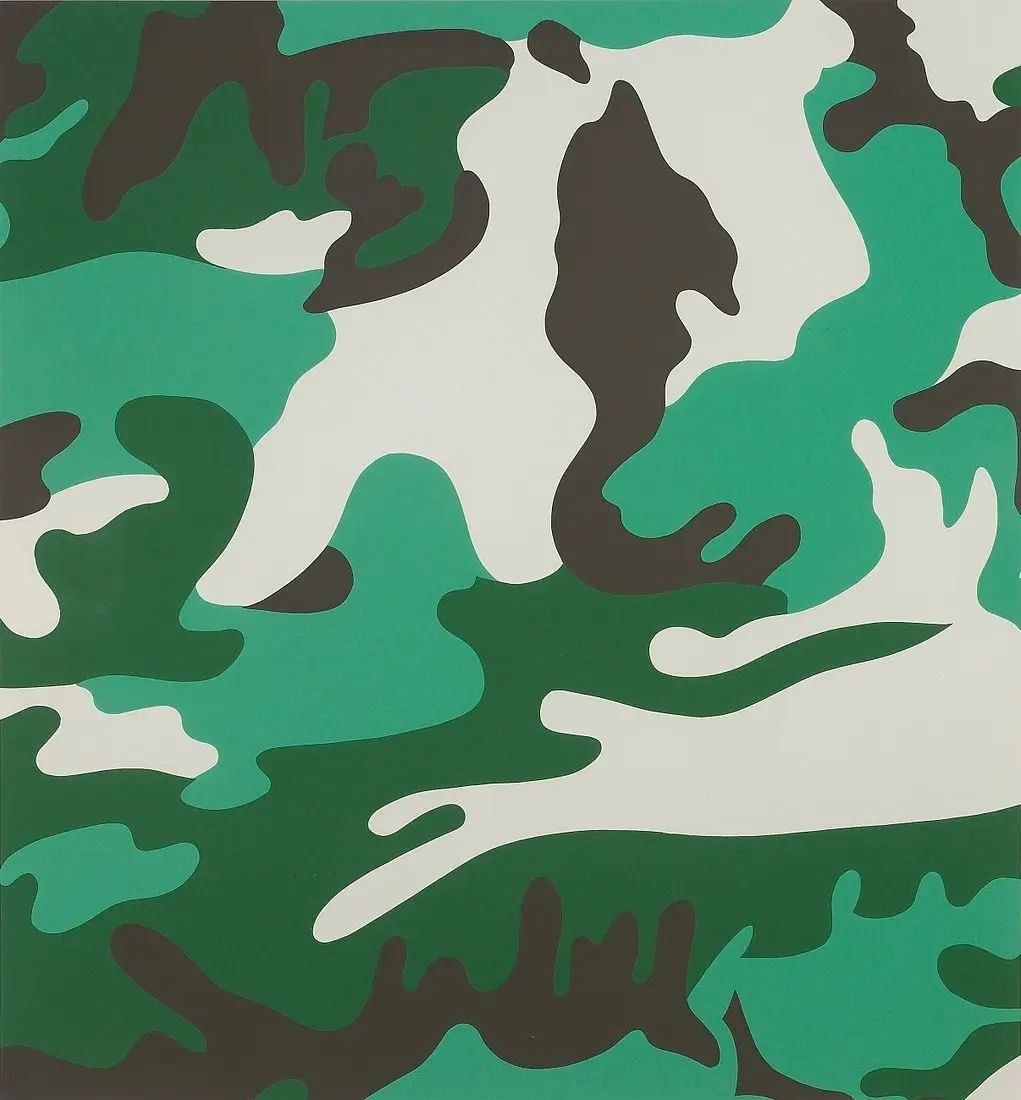
Andy Warhol, Camouflage (FS II.407) (1987), Screenprint
As we enter 2026, the art print market appears markedly more stable. After the rapid expansion and volatility of the post-pandemic years, pricing and behaviour have settled into something more sustainable. Estimates are tighter, supply is more considered and both buyers and sellers are acting more selectively. This normalisation suggests a market that has absorbed excess and adjusted.
Efficiency has also improved across the board. Collectable prints are coming to market with clearer pricing expectations, narrowing the gap between asking prices and realised values across private sales and auctions.
There are also quieter indicators of renewed confidence. Repeat buyers of limited edition fine art prints have returned, consignments are becoming more deliberate and demand is concentrating around works with established trading histories.
What the Full Art Print Market Report Reveals

David Hockney, In Front of House Looking West (2019), Inkjet Print on Paper
This article offers a high-level view of how the art print market has shifted in the past decade. The full Maddox Print Report Vol. 03 goes deeper, using proprietary data to examine how prints have been priced, traded and valued between 2015 and 2025.
Inside the report, you will find:
-
A complete decade-long timeline charting the evolution of the global print market
-
Proprietary Maddox data set against auction and pricing benchmarks
-
Clear category breakdowns across blue-chip, established and emerging print sectors
-
Auction data and market intelligence showing how collectors are positioning art prints for long-term value
-
Forward-looking indicators showing where collector demand and liquidity are concentrating.
Download the full Print Report Vol. 03 to explore the data behind a decade of print market performance and understand how collectors are approaching investing in art prints in 2026.
Read More


Previous
Next
Basket
Please note items are not reserved until you have completed checkout.
No items found
Close
Your saved list
This list allows you to enquire about a group of works.
No items found
Enter your email to subscribe to our weekly newsletter.
Speak to a Maddox Art Advisor
Please enter your details below and someone from Maddox Gallery will call or email you back.
Mikael B
Register your interest in
Mikael B
Ross Muir
Register your interest in
Ross Muir
Andy Gotts
Register your interest in
Andy Gotts
Seb Chaumeton
Register your interest in
Seb Chaumeton
Miaz Brothers
Register your interest in
Miaz Brothers
The Connor Brothers
Register your interest in
The Connor Brothers
Jerkface
Register your interest in Jerkface.

Register your interest in

London
Gstaad
Los Angeles


